
Cavities can look like white, brown, or black spots, small pits, or visible holes in a tooth. Many early cavities are not easy to see at home, so a tooth can look normal and still need a dental exam if it feels sensitive, painful, or keeps trapping food.
If you have noticed a new spot, sensitivity, or a lingering ache, a dental exam can help show whether it is early decay, a stain, or another tooth problem.
At Clear Lake Dental Care in Webster, TX, these exams give patients clear answers and practical next steps that can help protect more natural tooth structure.
An early cavity often starts as a chalky white area where enamel has lost minerals. These spots commonly form near the gumline, between teeth, around braces, or in the grooves of back teeth.
As decay gets deeper, the area may turn tan, brown, or black. The enamel may also feel rough, develop a small pit, or show a visible hole.
A larger cavity can look like a broken edge, a dark hollow, or a shadow under the enamel. Still, color alone does not prove you have decay.
Not every dark mark is a cavity. Coffee, tea, tobacco, and strongly colored foods can stain teeth, and natural grooves in molars may look brown even when they are healthy.
That is why a changing spot matters more than color by itself. If an area is getting darker, rougher, or more sensitive, it should be checked.
A cavity may cause sensitivity to cold, heat, sweets, or biting pressure. You might also notice food catching in one place, floss shredding between certain teeth, a rough edge, bad breath, or an unpleasant taste.
Early decay often causes no symptoms at all. Cavities between teeth or under old fillings and crowns are especially hard to see without X-rays.
A new hole, a changing dark spot, or sensitivity that does not go away should be evaluated instead of watched for too long at home. Only a dentist can tell whether the area is active decay, a stain, a crack, or another issue. For more detail on symptoms, see our signs of a cavity.
Cavities form when bacteria in plaque use sugars and other fermentable carbohydrates to make acids. Over time, those acids pull minerals out of enamel and weaken the tooth surface.
If acid attacks happen often enough, the enamel can break down into a true cavity. Frequent snacking or sipping gives teeth less time to recover between those acid exposures.
Dry mouth, low fluoride exposure, deep grooves, crowded teeth, exposed roots, and areas that are hard to clean can also raise cavity risk. Older dental work may create spots where plaque collects more easily.
A dentist checks the tooth, reviews your symptoms, and may take X-rays when needed. This helps show how far the decay has spread and whether it has reached dentin or the pulp.
Very early enamel damage may sometimes be stopped or reversed with fluoride, better home care, and changes in how often you eat or drink sugary items. Once a true hole forms, the tooth usually needs a filling because enamel does not grow back.
If the cavity is deeper, a crown may be needed to support the tooth. If infection reaches the pulp, root canal treatment or, in some cases, tooth removal may be the best option. These treatments are part of restorative dentistry.
Small fillings are often done in one visit with local anesthetic to numb the area. You may feel pressure or vibration, but treatment should not feel sharply painful.
Some mild sensitivity to temperature or biting can happen for a short time after a filling. If sensitivity is severe, getting worse, or lasting longer than expected, the tooth should be rechecked.
Waiting too long can let decay spread deeper into the tooth. Early treatment usually means more choices and helps preserve more healthy tooth structure. For more on procedure time, see how long a filling takes.
Contact a dentist promptly if you have ongoing tooth pain, pain that wakes you up, swelling near a tooth, a pimple-like bump on the gum, or a broken tooth with a dark or soft area. These signs may point to advanced decay or infection and may need care through emergency dentistry.
Seek urgent medical or dental care for rapidly increasing facial swelling, fever with dental swelling, trouble swallowing, or difficulty breathing. These can be signs of a spreading infection.
Brush twice a day with fluoride toothpaste and clean between your teeth every day with floss or another recommended tool. Focus on the gumline, back molars, and areas around fillings, crowns, braces, or other appliances. For practical daily tips to fight dental plaque, see our prevention guide.
Try to limit how often your teeth are exposed to sugary or acidic foods and drinks, especially between meals and before bed. Water is usually the best choice for frequent sipping.
Regular dental visits can catch changes before they become painful or obvious. In some cases, dental sealants can help protect deep grooves in molars that are harder to keep clean.
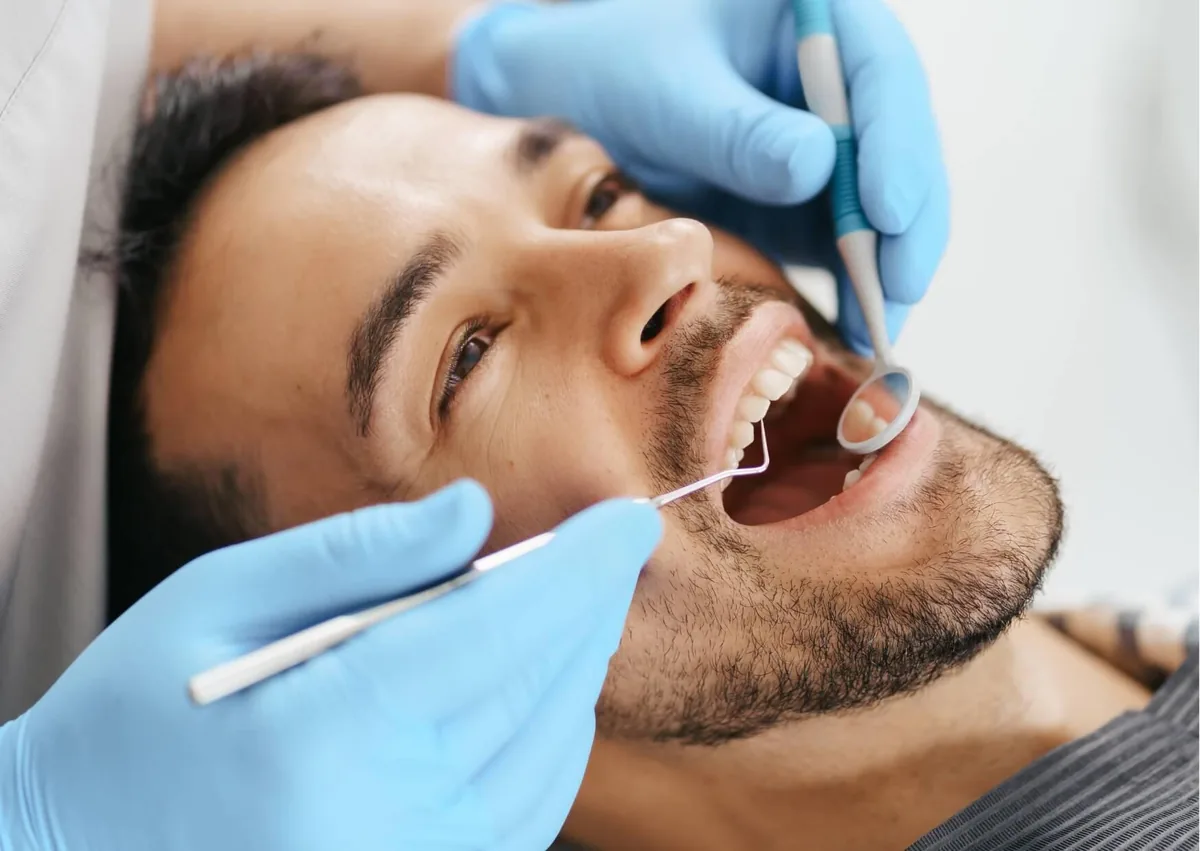
If a tooth has an unexplained spot, pit, or repeated sensitivity, an exam can help clarify what is happening. The area may be harmless staining, early mineral loss, or a cavity that needs treatment.
For a clear assessment and timely care, the next step is a dental exam so your dentist can confirm whether a spot needs monitoring, remineralization, or restoration. Call Clear Lake Dental Care, specialists in dental cleanings and exams in Webster, TX and nearby Clear Lake, TX, at (281) 557-8097 to arrange a convenient visit.
Yes. Early mineral loss may look like an opaque or chalky white spot, while more advanced decay may appear tan, brown, or black.
No. Cavities can form between teeth, under dental work, or inside deep grooves where they are hard to see at home. Dental X-rays are often needed to find them.
No. A black or brown spot may be a stain or a naturally dark groove, but it can also be decay. A dentist can check the area’s texture, depth, activity, and X-ray appearance if needed.
Early enamel mineral loss may sometimes be arrested or reversed before a hole forms. Once the tooth surface has broken down into a cavity, a filling or another restoration is usually needed.
Some cavities cause no feeling at all. Others may cause brief sensitivity, pain when biting, food trapping, a rough edge, or an ongoing toothache, depending on where the cavity is and how deep it has become. Learn more about what a cavity feels like.