Dental implants often last 20 years or longer, and many stay functional for a lifetime with good care. The implant post in the jaw usually lasts longer than the visible crown, which may need replacement after about 10 to 15 years because of normal wear, based on long-term findings that commonly track implant survival beyond 20 years.
No dentist can promise an exact lifespan. How long an implant lasts depends on bone and gum health, home care, tobacco use, bite forces, medical conditions, and the quality of ongoing dental cleanings.
If you're weighing whether a missing tooth or a failing restoration needs a long-term solution, dental implants can provide a stable, natural-looking option tailored to your situation. Clear Lake Dental Care in Webster, TX helps patients understand implant choices and what to expect so you can make informed care decisions with confidence.
A dental implant restoration has several parts, and each part can wear at a different rate. The implant is the post in the jawbone, the abutment connects the post to the restoration, and the crown, bridge, or denture is the visible part you chew with.
|
Implant Component |
Typical Expectation |
Why Service May Be Needed |
|---|---|---|
|
Implant post |
Often 20 years or longer |
Bone loss, infection, or excessive force |
|
Abutment |
Often many years |
Loosening, wear, or fracture |
|
Implant crown |
Commonly about 10 to 15 years |
Chipping, wear, staining, or bite changes |
|
Implant bridge or denture |
Varies by design and use |
Wear, fit changes, or damaged teeth |
These are general ranges, not expiration dates. A crown may last longer, while heavy grinding or an uneven bite can lead to earlier repair or replacement.
If a restoration is worn or damaged, dental crowns may be part of the solution. You can also learn more about implant restorations.
The most important factor is whether the implant stays firmly supported by healthy bone and gums. If gum inflammation develops around an implant, it can progress to peri-implantitis, which may lead to bone loss and threaten the implant.
Daily plaque removal and regular professional care help protect that support. Smoking or other tobacco use, poorly controlled diabetes, a history of gum disease, and inconsistent dental visits can raise these risk factors.
Bite pressure also matters. Clenching and grinding can overload the crown, screw, abutment, and surrounding bone, so a custom night guard may be recommended when signs of grinding are present.
Planning and placement matter too. An implant that is well positioned and easy to clean is more likely to stay healthy over time.
Brush twice a day with a soft-bristled toothbrush and fluoride toothpaste. Pay close attention to the gumline around the implant.
Clean between the implant and nearby teeth every day with floss, an interdental brush, or another tool your dentist recommends. Professional dental hygiene guidance can help you choose the best method, and you can review more tips on how to care for your implants.
Keep up with routine exams and dental cleanings. The right schedule depends on your gum health, plaque buildup, medical history, and whether you have had periodontal disease before.
Avoid chewing ice or using an implant crown to open packaging or bite hard objects. If the restoration feels high, loose, or uncomfortable, have it checked early instead of waiting.
A dental implant should usually feel stable and comfortable when you chew. Call a dentist if you notice persistent bleeding, swelling, tenderness, a bad taste, gum recession, visible threads, increasing food trapping, or movement.
A loose crown or screw does not always mean the implant itself has failed. In many cases, prompt care can tighten, repair, or replace the restoration before the problem gets worse.
Seek urgent dental care for rapidly increasing facial swelling, fever with dental swelling, uncontrolled bleeding, or severe worsening pain. Trouble breathing or swallowing needs emergency medical care right away.
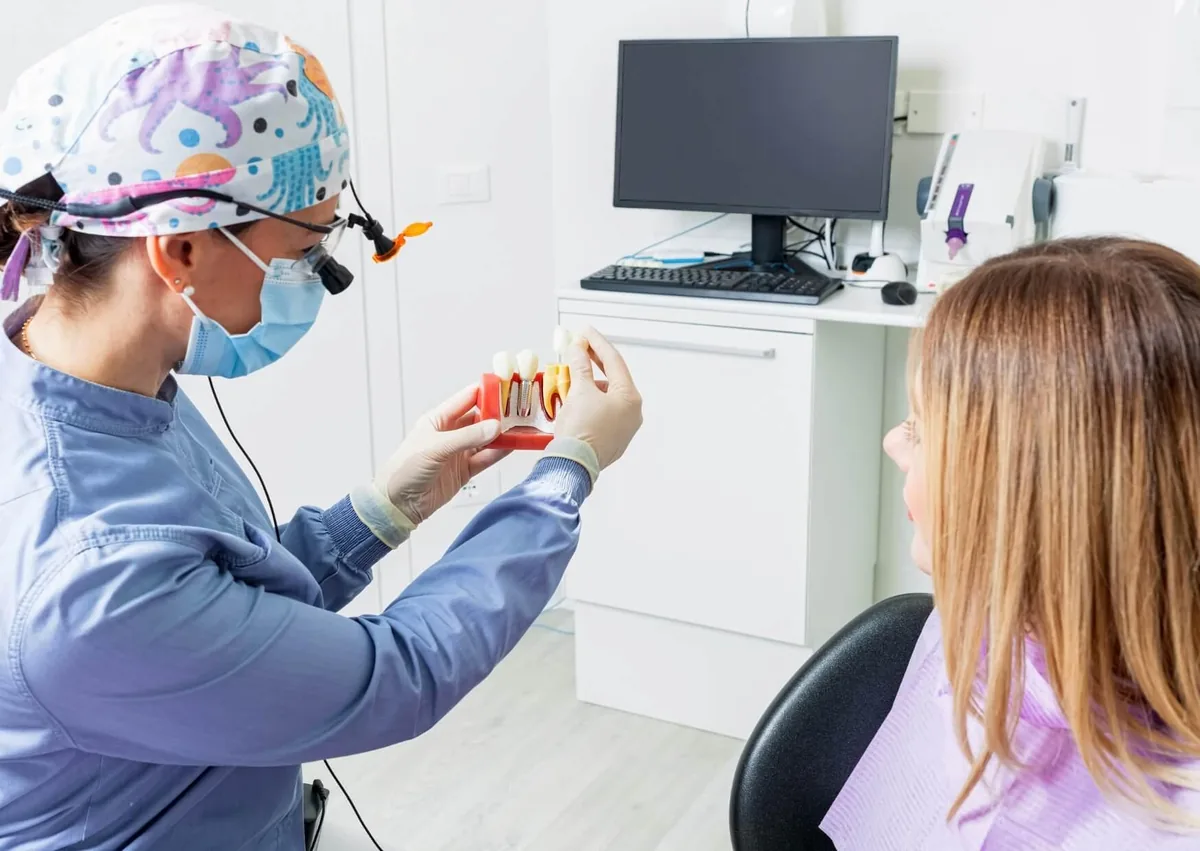
Routine implant follow-up is usually similar in comfort and timing to a standard dental visit. Your dentist checks the gums, bite, and restoration and may take X-rays at appropriate intervals to monitor the supporting bone.
If only the crown is worn or damaged, the implant post may stay in place while the restoration is repaired or replaced. Treatment becomes more involved if there is infection, bone loss, implant fracture, or loss of integration with the jaw.
A local dentist can evaluate an existing implant or help you decide whether an implant is a good option for a missing tooth. If you are still deciding, review these common signs you need implants.
To assess implant suitability or arrange maintenance, speak with a dentist who can review your history and recommend next steps. Contact Clear Lake Dental Care for dental implants in Webster, TX and nearby Clear Lake or League City; call (281) 557-8097 or request an appointment online.
Yes, an implant post can last a lifetime, but that outcome cannot be guaranteed. The crown or other restoration attached to it is more likely to need repair or replacement over time.
No, the implant and crown cannot get cavities because they are not natural tooth structure. However, plaque can still irritate the surrounding gums, and nearby natural teeth can still decay.
Implants should be checked during regular dental visits, with the schedule based on your risk factors. People with gum disease, heavy plaque buildup, tobacco use, or prior implant problems may need more frequent maintenance.
Not always. Sometimes only the crown or connecting screw is loose, but movement of the implant post itself is more concerning and should be evaluated promptly.
Sometimes, yes. A dentist or dental specialist must first determine why the implant failed and whether infection control, bone grafting, healing time, or a different restoration is needed before another implant is placed.