
A cavity may feel like tooth sensitivity, a sharp twinge, or a dull ache, but early decay often causes no pain at all. Some people first notice discomfort with cold drinks, sweets, or when biting on one side.
Not every sore tooth is a cavity. Gum recession, a cracked tooth, clenching, and sinus pressure can cause similar symptoms, which is why a dental exam matters when symptoms keep coming back. If you're unsure what's causing your discomfort, see signs of a cavity.
Clear Lake Dental Care offers dental cleanings and exams in Webster, TX, including routine exams and X-rays that can help confirm whether sensitivity is coming from decay.
In the early stages, a cavity can be easy to ignore. You might notice a quick zing with ice water or a sweet snack, then feel normal again for hours or days.
As decay moves deeper into the tooth, symptoms often become more consistent. Mild sensitivity can turn into pain when eating, drinking, or brushing around that area.
A cavity forms when acids from bacteria weaken and break down enamel, the hard outer layer of the tooth. If that damage reaches dentin, the layer underneath, the tooth usually becomes more sensitive because dentin carries sensation more easily than enamel.
A cavity does not feel the same for everyone, but a few patterns are common. The discomfort may be brief and sharp, or it may feel like a nagging soreness that is hard to pinpoint.
Common symptoms include:
Some cavities hurt only during a trigger, like cold or sugar. Others begin to ache without an obvious cause, especially when the decay is deeper.
If a cavity keeps progressing, the tooth may start hurting more often and for longer periods. Pain that lingers after hot, cold, or sweets can suggest that the inner part of the tooth is becoming irritated.
Inside each tooth is the pulp, which contains the nerve and blood supply. When decay gets close to that area, symptoms may shift from occasional sensitivity to throbbing pain or pain that wakes you up.
At that point, treatment may no longer be a small filling. Depending on the exam and X-rays, a dentist may recommend a larger restoration, a crown, or root canal therapy if the pulp is inflamed or infected. If infection or swelling is suspected, read more about tooth abscess basics.
A painful or sensitive tooth does not automatically mean there is decay. Dentists often see symptoms that overlap with other dental problems.
Other possible causes include:
This is one reason online symptom checking has limits. A cavity can look small on the surface but extend deeper underneath, while another tooth may hurt for a completely different reason.
It is reasonable to schedule a routine visit for mild sensitivity that is new or occasional. It is better to call sooner if the pain is getting stronger, happening daily, or making it hard to eat normally.
Seek prompt dental care if you notice:
For severe pain, swelling, or suddenly worsening symptoms, Emergency care can provide prompt evaluation and relief. Also, do not ignore a toothache if symptoms are getting worse or lasting longer.
These signs may point to deeper decay, infection, or a crack that needs timely treatment. If swallowing becomes difficult, seek urgent medical care right away.
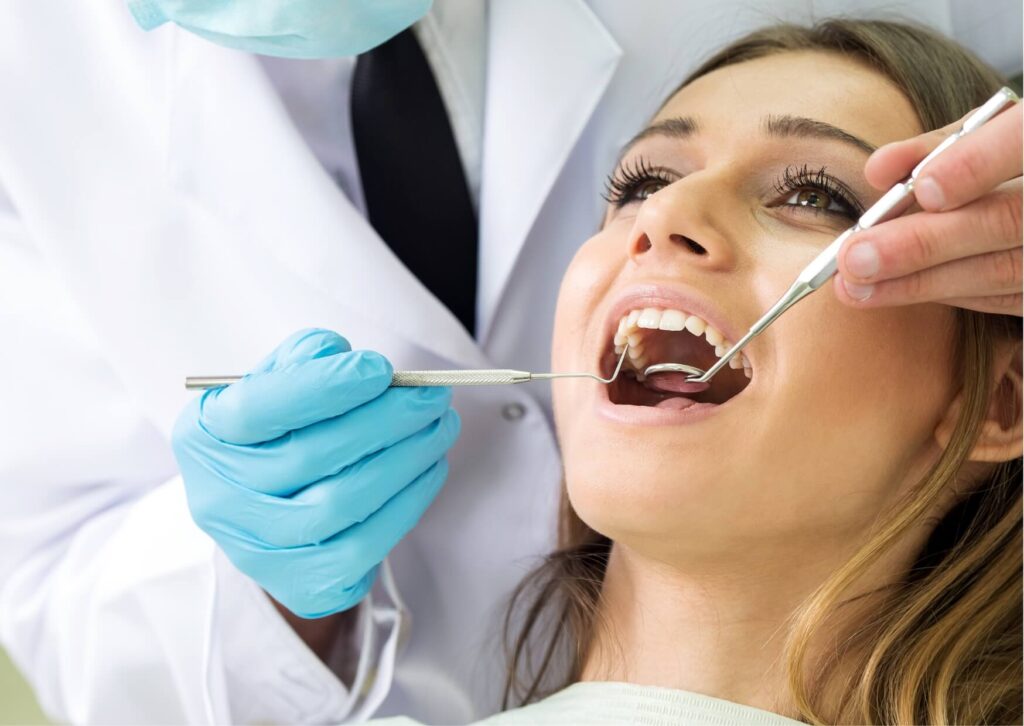
A dentist usually checks the tooth visually, asks what triggers the discomfort, and takes X-rays when needed. X-rays are especially useful for cavities between teeth or under older fillings, where damage may not be visible in the mirror.
The goal is not just to find decay. It is also to judge how deep it is, whether the nerve may be involved, and whether the symptoms fit a cavity or another problem.
That distinction matters because treatment choices change with depth. A small enamel cavity may need a simple filling, while a deeper area may require more protection for the tooth. Our General dentistry services cover common restorations like fillings and crowns.
For most small to moderate cavities, treatment is straightforward. The decayed part of the tooth is removed, and the area is repaired with a filling.
If the cavity is deeper, the tooth may stay sensitive for a short time after treatment, especially with cold foods or biting pressure. That usually improves as the tooth settles, but persistent pain should be checked again.
The biggest difference in comfort often comes down to timing. Early treatment is usually smaller, simpler, and easier than waiting until the tooth starts throbbing or breaks.
If a tooth has started feeling sensitive, do not assume it will stay minor. Some areas of decay progress slowly, but others move faster, especially where food gets trapped or cleaning is difficult.
Good home care supports the tooth, but it does not replace a diagnosis. Brushing with fluoride toothpaste, cleaning between teeth daily, and limiting frequent sugary drinks can help reduce ongoing acid exposure.
If one tooth keeps reacting to cold, sweets, or chewing, it is worth having it checked before the problem becomes more expensive and more uncomfortable. For practical prevention steps, see our tips to prevent tooth decay.
Clear Lake Dental Care offers dental cleanings and exams to evaluate persistent sensitivity for patients in Webster and nearby Clear Lake areas. Call us at (281) 557-8097 to schedule.
Yes. Many cavities cause symptoms only with triggers like cold drinks, sweets, or chewing. Intermittent pain can still mean the tooth needs attention.
Yes. Early cavities often do not hurt at all, which is why routine exams and X-rays are important.
No. A cavity may appear white, brown, gray, or not be visible at all, especially between teeth. Color alone does not confirm how deep it is.
No. Cold sensitivity can also come from gum recession, enamel wear, a crack, or a recent dental procedure. If it persists, a dentist should evaluate it.
That varies. Some cavities change slowly, while others progress faster because of diet, dry mouth, tooth position, or oral hygiene habits.