Avoiding dairy after dental implant surgery is not always required.
Some dentists ask patients to skip milk, yogurt, cheese, and similar foods for a short time because dairy can worsen nausea after sedation, feel heavy on the stomach with pain medicine, or conflict with specific post-op instructions, but it does not usually harm the implant itself or stop normal healing.
The safest plan is to follow the instructions from the dentist who placed your dental implants, since your diet may depend on the procedure, sedation, medications, and overall health.
If you're unsure what to eat after dental implants, clear food guidance can make healing easier and more comfortable. Clear Lake Dental Care in Webster, TX helps patients understand exactly what to avoid, what is safe to eat, and how to protect the surgical area during recovery.
One common reason is nausea. After anesthesia or sedation dentistry, milk and richer dairy foods can upset the stomach for some patients, especially when pain medication is also involved.
This matters more if you already have lactose intolerance, reflux, or a sensitive stomach. In that situation, water and other gentle fluids may be easier to tolerate on the first day.
Some dentists also want patients to avoid unpasteurized dairy during recovery because it may contain harmful bacteria. Raw milk and raw-milk cheeses are not a good choice after oral surgery and carry food-safety risks even for healthy people.
Older instructions sometimes suggest that dairy directly causes implant infection. For most healthy patients, there is limited evidence that pasteurized dairy does that, so the restriction is usually about comfort, digestion, or the details of the surgery rather than the implant failing.
Stick with cool or lukewarm foods that are soft and easy to chew. Try to keep food away from the surgical side when possible.
Good options may include:
Your body needs fluids, calories, and protein to heal well. If dairy is off the list for a day or two, you can often use eggs, tofu, smooth beans, or a nondairy nutrition drink if it fits your dentist’s instructions.
Avoid foods that are very hot, crunchy, hard, sticky, spicy, or acidic in the early healing period. Chips, nuts, popcorn, seeds, and crusty bread can irritate the area or get trapped near the implant site.
Drink water often to stay hydrated. Do not use a straw unless your surgeon says it is safe, because suction can disturb the blood clot and irritate healing tissue.
This is especially important if you had an extraction or grafting done at the same visit. A cup is safer than a straw during the first part of recovery.
Smoothies and shakes may be fine if they do not contain seeds, hard pieces, or irritating ingredients. Very cold foods and drinks can feel soothing, but stop if they increase sensitivity.
Avoid alcohol while the area is healing and anytime your medication instructions say not to drink. Smoking and vaping can also slow healing, reduce blood flow, and increase the risk of implant problems.
If your dentist told you to avoid dairy, the restriction is often short, such as the day of surgery or the first few days. The exact timeline depends on your procedure and how you feel.
Patients who had bone grafts, sinus-related treatment, more extensive surgery, or sedation may get different instructions; for more guidance, see oral surgery preparation. If your written instructions say no dairy, follow that timeline instead of a general rule online.
If you are not sure why dairy was restricted or when to restart it, call the office and ask. A quick clarification is better than guessing.
Mild swelling, tenderness, bruising, and a little blood-tinged saliva are common after implant placement. Most soreness improves over several days, but the implant usually takes a few months to fully bond with the jawbone.
Later, when the replacement tooth is attached, you may want to learn more about implant restorations. That phase happens after the implant has had time to heal and integrate.
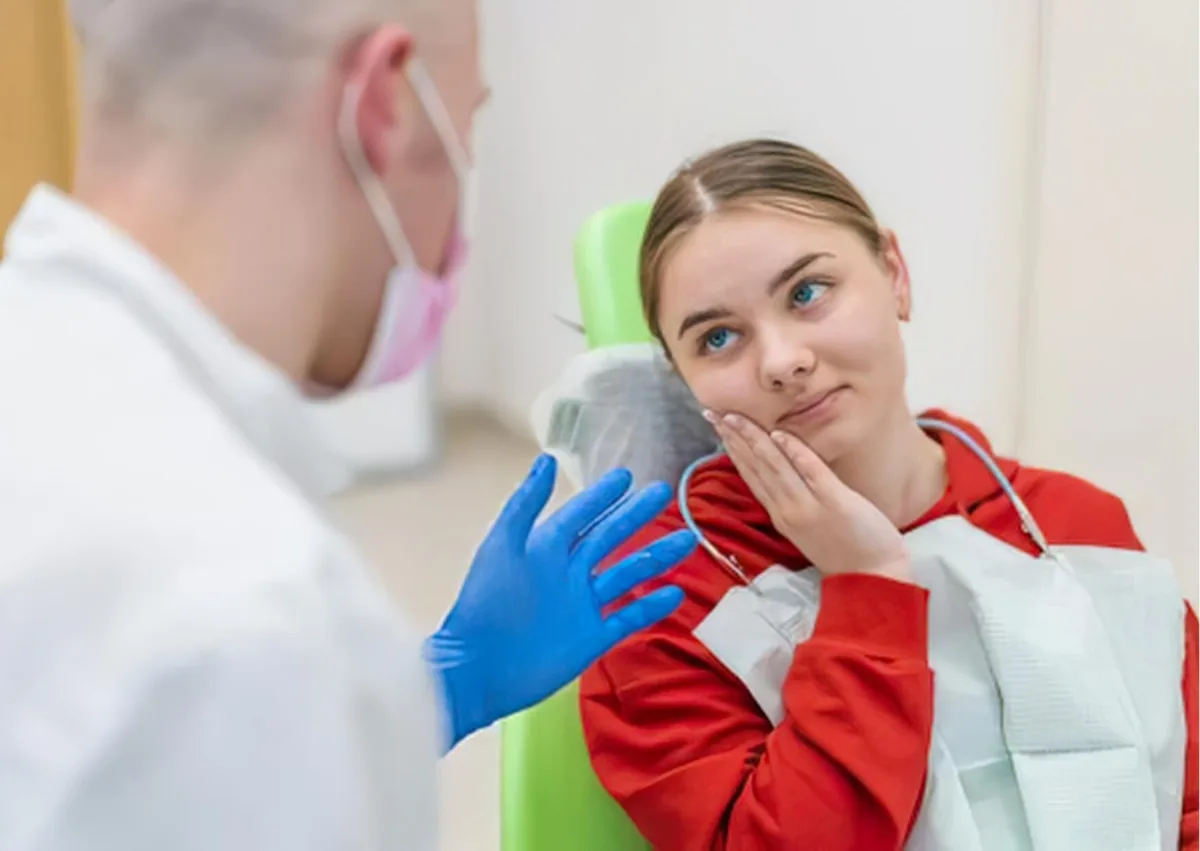
Call your dentist if pain or swelling gets worse after first improving, bleeding does not stop, or you notice fever, pus, or a bad taste that does not go away. You should also call if the implant or healing cap feels loose.
Trouble breathing, trouble swallowing, rapidly spreading swelling, or a serious medication reaction needs urgent medical care. If you think you are having a true emergency, seek immediate help.
If you have signs of infection, uncontrolled bleeding, or other urgent concerns, contact the office or seek emergency dentistry. Dietary questions also deserve a call if nausea, vomiting, or a medical condition is making it hard to eat or drink.
If you have questions about your post-op diet or symptoms, the best next step is to contact the dental team so they can review your implant procedure and give tailored advice. Clear Lake Dental Care provides dental implants care in Webster, TX and nearby Clear Lake, TX. Call (281) 557-8097 to speak with our team or schedule an appointment.
Pasteurized yogurt is not generally known to cause a dental implant infection. If it is restricted, the reason is usually your dentist’s protocol, stomach upset, sugar content, or the details of the surgery.
Milk may be fine unless your dental team told you to avoid it. If you feel nauseated, are taking pain medicine, or have lactose intolerance, water and other approved fluids may feel better at first.
Soft ice cream may feel soothing for some patients. Avoid anything with nuts, candy, cookie pieces, or other hard mix-ins, and follow your surgeon’s instructions if sugar, temperature, or dairy is a concern.
Calcium can reduce absorption of certain medicines, but not every antibiotic used in dentistry has this issue. Follow the prescription label and ask your dentist or pharmacist before changing how you take a medication.