Expert Root Canal Webster, TX

Save Your Tooth with Root Canal

Treat infection and relieve pain with root canal, helping you save your natural tooth and restore strength and function.
Book an Appointment
root canal

What Is A Root Canal?

All of our teeth have three layers: the outer hard enamel, the dentin (also hard), and the pulp. The pulp is where you’ll find the blood vessels, nerves, and connective tissue. The pulp extends the entire length of the tooth, from the crown (top) down to the tip of the roots. The passages that run down into the roots are the “root canals.”

When decay attacks a tooth, in most cases the decay affects the enamel or the dentin layers. But when the decay penetrates the pulp, the pulp must be removed and disinfected. This is known as a root canal.


tmj teeth grinding

Symptoms Of An Infected Tooth

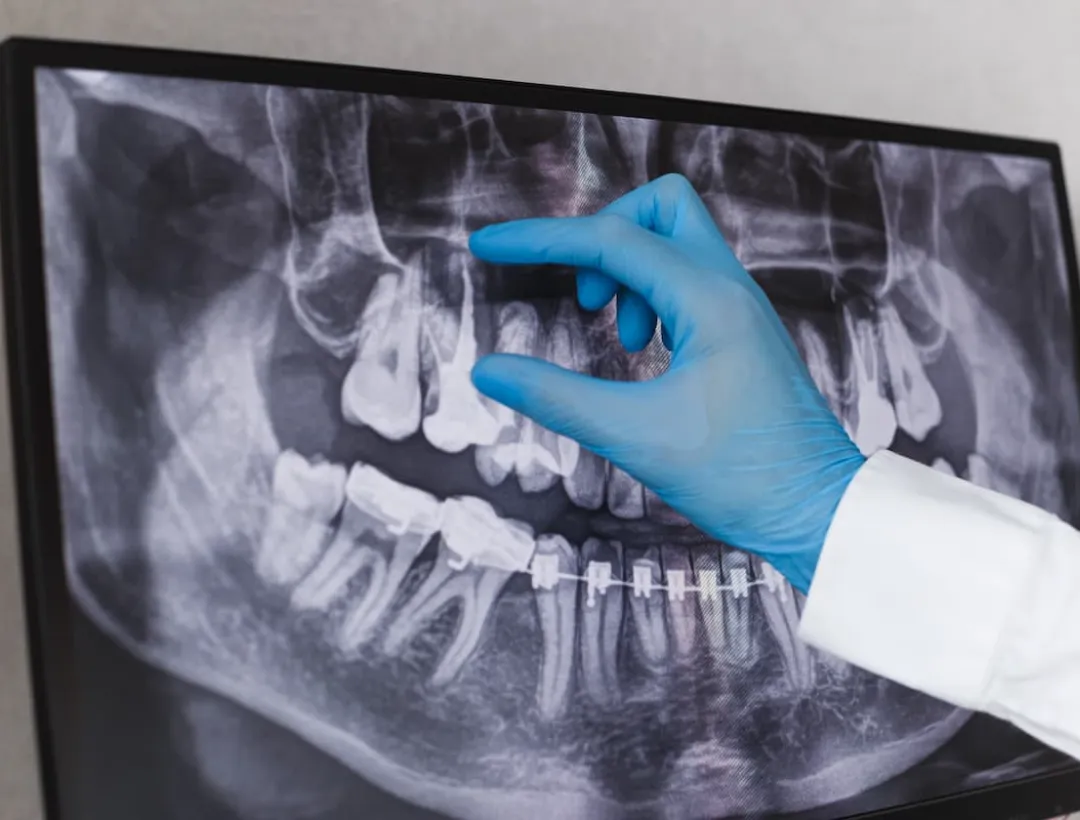
In some cases, a patient won’t yet have symptoms but we can see the infection on dental x-rays during your routine cleanings and exams. The infection won’t yet have reached the nerves of the tooth.

When the infection reaches the pulp of the tooth things can get ugly. Here are the symptoms associated with an infected tooth needing a root canal:

  • Intense pain
  • Prolonged sensitivity to hot or cold
  • Tenderness to the touch and when chewing
  • Discoloration of the tooth
  • Swelling or tendeerness of the surrounding gum tissue
  • Persistent pimples on the gums

General and Restorative Dentistry


Composite Fillings

Repair cavities and damaged teeth with composite fillings, helping restore strength while maintaining a natural look.

Dental Bridges

Restore your smile with dental bridges, helping fill gaps, improve function, and prevent teeth from shifting.

Dental Crowns

Protect and rebuild damaged teeth with dental crowns, helping restore strength, function, and a natural appearance.

Dental Hygiene

Protect your teeth and gums with good dental hygiene, helping prevent decay, gum disease, and long-term oral issues.

Dental Sealants

Prevent cavities with dental sealants, helping protect back teeth from plaque, acids, and long-term damage.

Dentures

Replace multiple missing teeth with dentures, helping you chew, speak, and smile with better comfort, function, and confidence.

Fluoride Treatment

Protect your teeth with fluoride treatment, helping prevent decay and strengthen enamel for better long-term oral health.

General and Restorative Dentistry

From routine checkups to full smile restorations, we provide the general and restorative care you need to keep your mouth healthy and your confidence intact.

Inlay And Onlay Restorations

Repair moderate tooth damage with inlays and onlays, helping restore strength while preserving more of your natural tooth.

Night Guards

Prevent teeth grinding damage with night guards, helping protect your teeth and reduce jaw pain while you sleep.

Occlusal Adjustment

Improve bite alignment with occlusal adjustment, helping reduce pressure on teeth and relieve sensitivity or discomfort.

Oral Cancer Screenings

Detect early signs of oral cancer with routine screenings, helping improve treatment outcomes and protect your overall health.

Porcelain Crowns

Repair damaged or missing teeth with porcelain crowns and bridges, helping restore strength, function, and a natural-looking smile.

Professional Dental Cleanings and Exam

Keep your teeth and gums healthy with regular dental cleanings and exams, helping prevent decay, detect issues early, and maintain a strong smile.

Root Canal

Treat infection and relieve pain with root canal treatment, helping preserve your natural tooth and restore function.

Root Canal Retreatment

Address persistent infection with root canal retreatment, helping preserve your natural tooth and restore long-term comfort.

Snore Appliances

Reduce snoring with custom snore appliances, helping improve airflow and support better sleep for you and your partner.

Teeth Pulling and Extraction

Remove damaged or infected teeth with tooth extractions, helping relieve pain and protect your overall oral health and function.

Wisdom Teeth Removal

Remove impacted or painful molars with wisdom teeth removal, helping prevent crowding, infection, and long-term dental issues.
Testimonials

What Patients Say

The Root Canal Procedure

At Clear Lake Dental Care, we perform root canals in a single appointment. The first step is to remove the infection. We begin by numbing the area so you don’t feel anything. We make a small hole in the crown of the tooth to gain access to the interior. Through that hole, we use very small files to remove the infected pulp, damaged nerve tissue, and other debris. The tooth is completely emptied. It is then flushed with disinfectant to remove any remaining debris and to kill any lingering bacteria.

Now the empty, disinfected tooth needs attention. We fill the empty pulp chamber and root canals with a rubber-based material called gutta-percha, and then we seal the hole. The hole in the crown is filled with a composite resin filling. In some cases that finishes the procedure. Usually, however, the tooth will require a crown to protect it and to return strength and function that has been compromised by having to remove the interior pulp.

x ray root canal

Experts In The Field

There isn’t a procedure we perform at Clear Lake Dental Care more misunderstood than the root canal. Patients associate pain with the procedure, which isn’t the case. The truth is — root canals can save a tooth that would otherwise need an extraction, and the procedure doesn’t involve any more pain than filling a cavity. At Clear Lake Dental Care, we perform our own root canals, saving you the inconvenience of having to go to an endodontist.


Are Root Canals Safe?

Root canals are very low-risk procedures with Dr. Das and the rest of our team. There is a slight possibility that the infection will not be fully removed. If this happens another root canal can fix the problem. Not having a root canal is the real danger, as the infection can spread from your tooth basically anywhere in your body (see description above).

Is The Root Canal Procedure Painful?

Some people believe root canals are painful procedures. This couldn’t be more wrong. Modern anesthesia, methods, and technology have made a root canal no more painful than having a typical filling placed in a tooth. The infection creating the need for the root canal is what is extremely painful because the tooth nerves are inflamed. But the root canal removes all the nerves from the tooth, so it no longer has any sensation at all. After your root canal, the inflamed gums around your tooth may need a couple of days to calm down, and your jaw may have a bit of soreness because it was open for a period of time. But this is not acute pain and is easily manageable with over-the-counter pain relievers.

Will I Need A Follow-Up Appointment?

At Clear Lake Dental Care we only need one appointment to remove the infection and clean the tooth. Then a dental lab will design the crown, and you will come back to place the crown. This contrasts with most practices that don’t perform root canals, requiring patients to go to a separate endodontist.

How Long Will My Tooth Last With A Root Canal?

Once we remove the infected pulp, fill the tooth, and place the crown your tooth should last as long as the other teeth in your mouth. People assume that the pulp is critical to the lifespan of the tooth, but the pulp is really only important during the growth and development of the tooth. Once the tooth is fully mature it can survive without the pulp, as the surrounding tissues provide nourishment. With good hygiene, a tooth that has had a root canal can last for the rest of the patient’s life.

Ready to Schedule Your Visit?

Get the healthy, confident smile you want with full-service dental care in a comfortable, caring office.
phone-handsetlocationcrossmenuarrow-right-circle