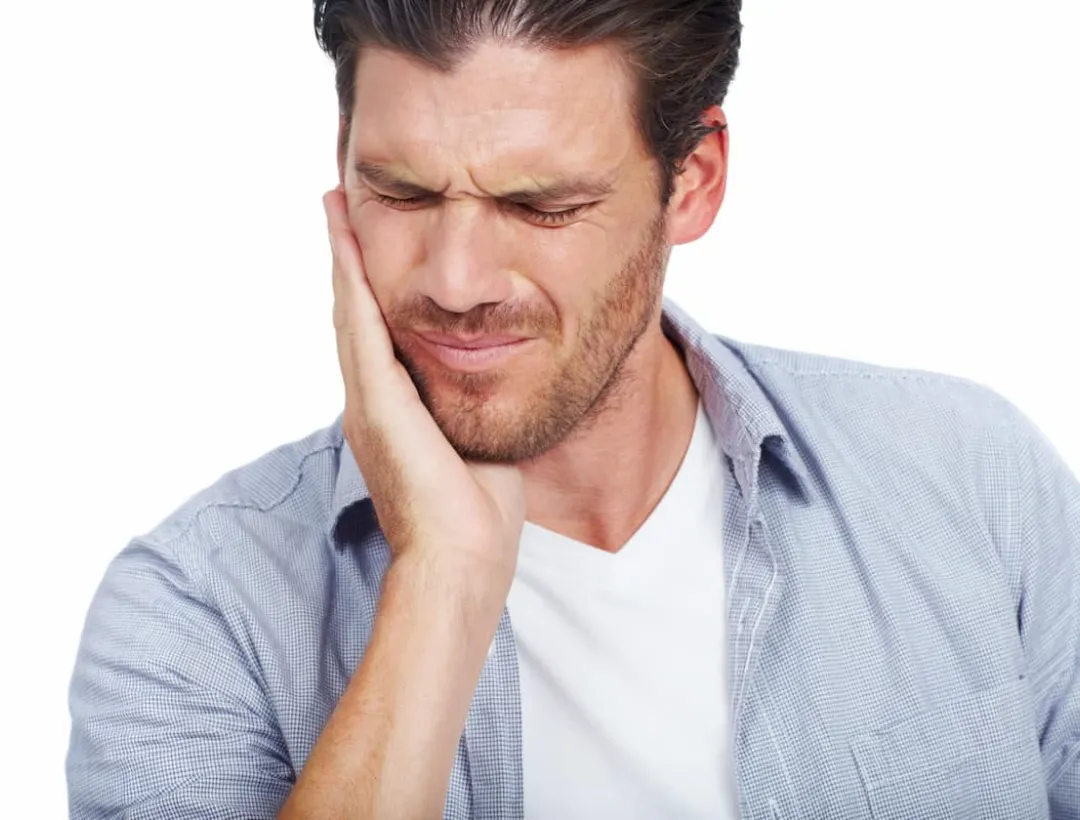
The TMJs are your jaw joints on both sides of the face. This is the hinge joint that lets you open and closes your mouth. When the jaw joints are damaged because of teeth grinding, trauma, or gum disease, you may experience pain and difficulty chewing and speaking. Left untreated, teeth grinding and clenching (bruxism) may lead to jaw joint problems and frequent headaches.
One-quarter of all Americans over 65 have lost all of their natural teeth. After a person loses a few teeth due to a dental issue, it can be tempting to simply let the process continue. Patients often choose to avoid certain foods and save money they don’t want to spend on dentures.
The pain is due to the continued stress of the misaligned jaw trying to find alignment. Considering we use our jaws and the temporomandibular joint almost continually for eating, talking, breathing during exertion, and even yawning, the constant pressure caused by misalignment creates overused muscles and tension. This leads to pain originating in the joint and spreading outward.
Millions of people across the country are affected by TMD, but many of those people don’t know the signs that indicate they are suffering from TMD, nor do they know what causes TMD. Here is a list of the most common signs of TMJ: