If you are asking how much is teeth bonding, a common U.S. estimate is about $300 to $600 per tooth as an average cost. The final price can be lower or higher depending on how much repair is needed, which tooth is treated, and whether the bonding is cosmetic or restorative.
For immediate steps after a broken tooth, see chipped tooth repair.
If you’re weighing repair options for a chipped, stained, or uneven front tooth, dental bonding can be a conservative choice that preserves more natural tooth structure. At Clear Lake Dental Care in Webster, TX, our focused approach helps you understand potential costs and outcomes so you can choose a comfortable, predictable treatment path.
Most dental offices price bonding by the tooth. A very small edge repair may cost less than rebuilding a larger chipped or worn area.
If several teeth are treated for symmetry or cosmetic improvement, the total cost rises with the number of teeth and the amount of shaping involved. Front teeth often require more detailed color and contour work, which can also affect the fee.
Some quotes include the exam, photos, X-rays, shaping, and polishing, while others list those separately. Ask for a written estimate so you know exactly what is included.
The biggest cost factors are how much resin is needed and how much chair time the case requires. A quick repair on one corner of a tooth usually costs less than reshaping the full visible surface.
Other factors that can change the price include:
A lower quote is not always the better value. Bonding should look natural, feel smooth, and fit your bite correctly so it does not chip early or irritate the gums.
Insurance may help pay when bonding restores a tooth damaged by decay, injury, or structural wear. Purely cosmetic bonding is often not covered when done for cosmetic reasons, although every plan has its own exclusions, deductible, and annual maximum.
Before treatment, the office may send a pre-treatment estimate to your insurer. That can help you plan, but it is not a guarantee of payment, so it is still important to confirm your expected out-of-pocket cost.
Bonding is often less expensive at the start than porcelain veneers or dental crowns. Still, the lowest-cost option is not always the right one if the tooth has major damage, deep decay, or too little healthy enamel left.
|
Treatment |
Common Use |
Relative Initial Cost |
Typical Considerations |
|---|---|---|---|
|
Composite bonding |
Small chips, gaps, shape or color changes |
Lower |
Conservative and repairable, but can stain or chip |
|
Porcelain veneer |
Broader cosmetic changes on a front tooth |
Higher |
More stain-resistant, but usually requires some enamel removal; consider veneers for broader cosmetic needs |
|
Dental crown |
Significant damage or loss of tooth structure |
Higher |
Covers the tooth and provides more extensive restoration |
A dentist should first check for cavities, cracks, gum disease, and bite problems. Covering an unhealthy tooth without treating the cause can allow pain or damage to get worse.
Bonding often takes 30 to 60 minutes per tooth. More complex cases or multiple teeth can take longer.
The dentist usually selects a shade, prepares the enamel, places the resin in layers, hardens it with a curing light, and then shapes and polishes it. Many small bonding procedures do not require numbing if the work stays on the enamel and does not involve decay.
Mild temporary sensitivity can happen after treatment. Significant pain is not expected, so call the office if the tooth hurts more over time or your bite feels off.
Teeth bonding commonly lasts several years, and the bonding material lasts about 3 to 10 years in many cases. How long it lasts depends on the tooth location, the size of the repair, your bite forces, and habits like nail biting or chewing ice.
Composite resin is not as stain-resistant or fracture-resistant as porcelain. Over time, it may need polishing, repair, or replacement.
To help bonding last longer, brush with fluoride toothpaste, clean between the teeth daily, and keep regular dental visits. Avoid biting hard objects with the bonded tooth, and ask about a night guard if you grind or clench.
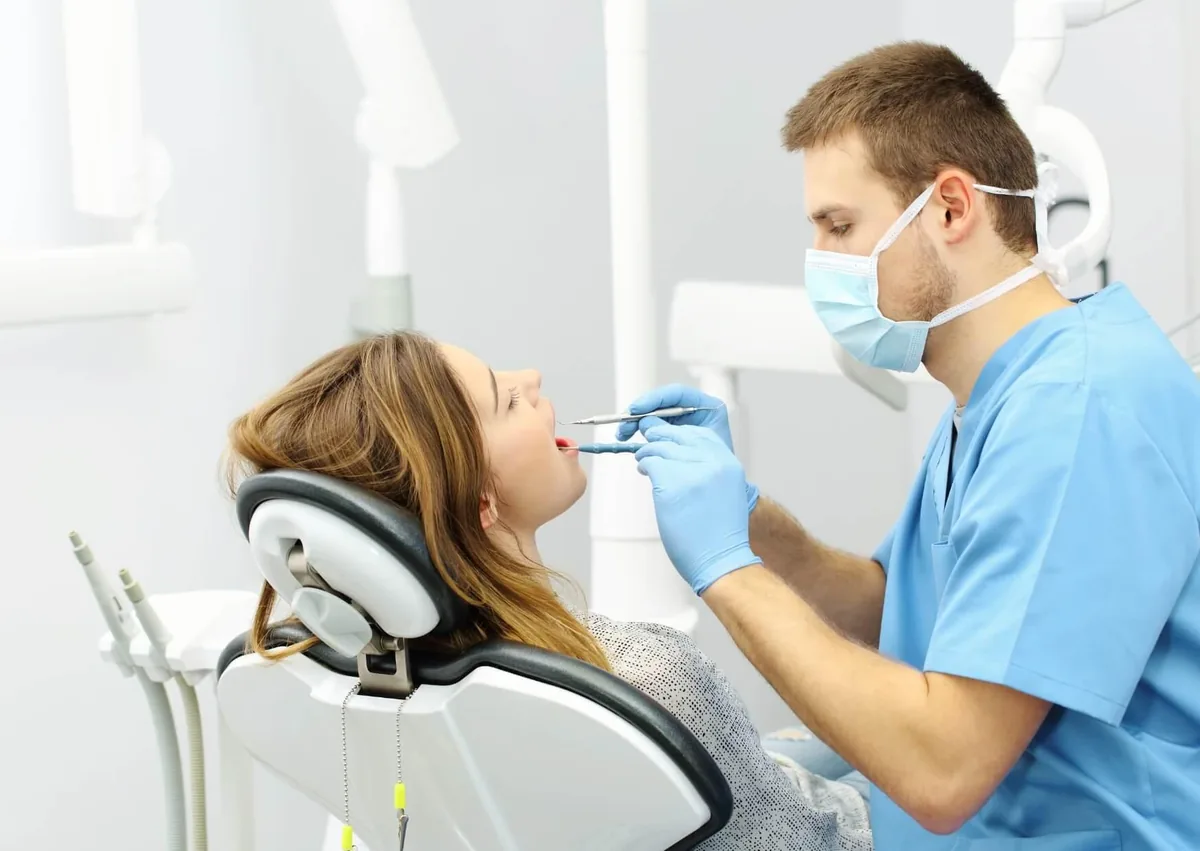
A small chip without pain is not always an emergency, but it should still be checked because a deeper cracked tooth is not always easy to see. Seek prompt care from emergency dentistry if you have severe or worsening pain, swelling, fever, pus, uncontrolled bleeding, a loose permanent tooth, or a fracture that exposes red or pink tissue.
If the tooth feels sharp, turns dark, becomes sensitive, or hurts when you bite, avoid chewing on that side until it is examined. Those signs may mean bonding alone is not the safest fix.
A local dentist can assess the tooth, explain realistic options, and provide an itemized estimate based on the amount of treatment needed. Bring your insurance information and ask about maintenance so you can compare both the short-term and long-term cost.
To get a clear cost estimate and a personalized recommendation for a chipped or discolored tooth, arrange a brief exam so the dentist can evaluate options and expected results. Clear Lake Dental Care focuses on dental bonding in Webster, TX and serves nearby Clear Lake and League City; call (281) 557-8097 to schedule an appointment.
Bonding is offered as part of our general dentistry services.
Bonding can often close a small gap by adding composite resin to one or both neighboring teeth. Larger gaps or spacing caused by tooth position may be better treated with orthodontics, so an exam is important.
Some offices may structure fees differently for multiple teeth, but discounts are not universal. The total depends on whether each tooth needs a simple addition or detailed reshaping and color matching.
Whitening products do not usually lighten composite resin. A dentist may be able to polish surface stains, but a noticeable color mismatch may require repair or replacement after the natural teeth are whitened.
No. Bonding is durable, but it can chip, wear, or discolor and may need maintenance over time.
Most people can eat after the material is fully cured unless the dentist gives different instructions. Avoid biting very hard objects with bonded teeth, and report a bite that feels high or uncomfortable.