
A cracked tooth may look like a thin line in the enamel, which is the hard outer layer of the tooth. Sometimes that line is easy to see in the mirror, but many cracks are too small, too deep, or too hidden below the gumline to spot at home.
In many cases, a cracked tooth is felt before it is seen. Pain when biting, sharp pain upon biting, or discomfort that comes and goes can be more helpful clues than appearance alone.
Clear Lake Dental Care provides general and restorative dentistry in Webster, TX, including exams and diagnostics for cracked teeth.
A crack may look like a hairline line running up and down the tooth. It can appear white, gray, or slightly darker than the surrounding enamel, especially if stain collects in the line over time.
Some cracks are visible only from certain angles or under bright light. Back teeth are a common place for cracks because they handle more chewing pressure, and those cracks can be especially hard to see without dental tools.
You may also notice a small chipped tooth or a rough edge. In other cases, the tooth looks almost normal even though the crack extends deeper into the tooth.
If the tooth looks split, feels loose, or is linked with gum swelling, it should be checked promptly.
Many patients expect a cracked tooth to be obvious, but symptoms often show up first. A tooth may hurt only when pressure is released after biting, which is a classic pattern with some cracks.
Other common symptoms include pain with chewing or cold sensitivity. The discomfort may be sharp and brief, or it may become more constant if the inner tooth tissue becomes inflamed.
A cracked tooth may also cause:
These symptoms do not always mean there is a crack. They can also happen with decay, a loose filling, teeth grinding, or gum problems, which is why an exam matters.
Teeth can crack from one major event or from years of repeated stress. Biting something hard, getting hit in the mouth, or chewing ice can cause a sudden fracture.
Long-term pressure is also a major factor. Teeth grinding and clenching can create repeated force that weakens enamel and the inner tooth structure over time.
Other common risk factors include:
Many cracks do not come from one dramatic accident. They often develop slowly until biting pain starts.
Craze lines are tiny surface lines in enamel. They are common in adult teeth, especially front teeth, and they usually do not cause pain or require treatment.
A true crack goes deeper into the tooth and may affect chewing comfort, temperature sensitivity, or long-term tooth stability. Craze lines are usually cosmetic, while deeper cracks may threaten the tooth.
Here is a simple comparison:
| Feature | Craze Lines | Cracked Tooth |
| Depth | Surface enamel only | May extend into deeper layers |
| Pain | Usually none | May hurt with biting or cold |
| Appearance | Fine shallow lines | May be a visible line, chip, or split |
| Treatment | Often none needed | Depends on depth and symptoms |
| Urgency | Usually low | Can range from routine to urgent |
A dentist may use magnification, special lighting, bite testing, or imaging to tell the difference.
A dental exam usually starts with the symptom pattern. Pain when chewing, especially when pressure is released, can strongly suggest a crack even if the tooth looks normal.
The dentist may inspect the tooth with magnification and bright light. In some cases, a small instrument is used to test the tooth surface, and bite tests help identify which cusp or area is involved.
X-rays can be useful, but many cracks do not show clearly on standard dental X-rays. Imaging is often more helpful for checking the surrounding bone, root, existing fillings, or signs of infection.
If the crack is hidden under a filling or between teeth, diagnosis can take careful step-by-step testing. That is one reason symptoms should not be ignored just because the tooth looks fine in the mirror.
Treatment depends on where the crack is, how deep it goes, and whether the pulp is affected. The pulp is the soft tissue inside the tooth that contains nerves and blood vessels.
Small surface cracks may need only monitoring, polishing, or no treatment at all. If the crack affects the tooth’s structure or causes symptoms, the tooth often needs protection with a dental crown to help hold it together.
If the pulp is inflamed or infected, root canal therapy may be needed before the tooth is restored. In severe cases, especially when the tooth is split or the crack extends far below the gumline, saving the tooth may not be possible.
Typical treatment paths may include:
To learn more about what to expect, read about the dental crown procedure.
The earlier a crack is found, the better the chance of preserving the tooth with less invasive treatment.
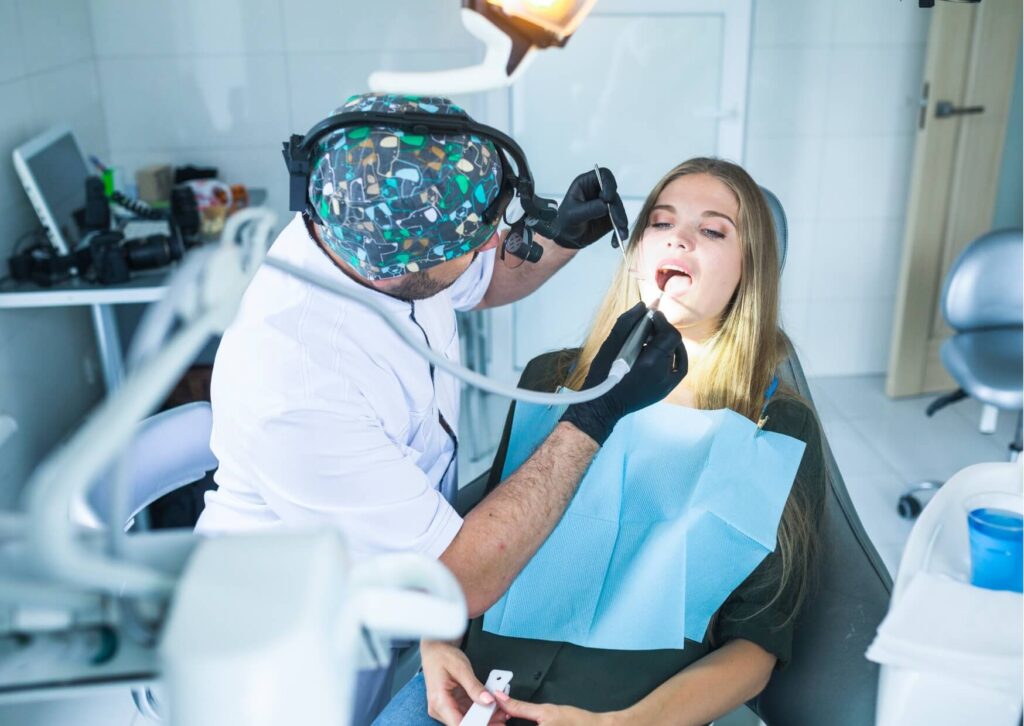
A cracked tooth should be evaluated soon if pain is persistent, worsening, or interfering with eating. Waiting can allow the crack to deepen or the pulp to become inflamed.
Seek prompt dental care if you notice swelling, severe biting pain, or a tooth that feels split or loose. These signs can point to a more serious fracture or infection.
Other reasons to call quickly include:
If facial swelling, fever, or trouble swallowing develops, urgent in-person care is important. For sudden severe pain, broken teeth, or swelling, consider seeking urgent dental care.
Recovery depends on the type of crack and how quickly it is treated. A tooth with a minor crack may settle quickly once it is protected, while a deeper crack can remain unpredictable until the dentist confirms how far it extends.
If a crown is recommended, the goal is to reduce flexing during chewing. That often improves comfort, but symptoms do not always disappear right away if the nerve has already been irritated.
In some cases, a tooth that seems manageable at first later shows signs that more treatment is needed. This can happen because some cracks reveal their full extent over time.
If you are noticing a line in a tooth, pain when biting, or sensitivity that does not make sense, a local dental exam is the safest next step.
A dentist can determine whether it is a harmless surface line or a crack that needs treatment; you can schedule an exam to learn what is appropriate for your situation.
At Clear Lake Dental Care, our general and restorative dentistry team in Webster, TX (also serving Clear Lake) can evaluate cracked teeth. Call us at (281) 557-8097 to schedule.
A true tooth crack does not heal like skin or bone. Symptoms may come and go, but the damaged tooth structure usually remains, so an exam is important if pain or sensitivity continues.
No. Many visible lines are craze lines, which are shallow enamel lines that often do not need treatment. A dentist can tell whether a line is cosmetic or structurally important.
Yes. Some cracks cause little or no discomfort at first, especially early on. That is one reason routine dental exams can catch problems before they become more serious.
Not always. Many cracks are too fine or are angled in a way that makes them hard to see on standard X-rays, so diagnosis often depends on the exam and symptom pattern.
Brief sensitivity may have several causes, but repeated biting pain or temperature sensitivity should not be ignored. If symptoms persist, worsen, or are hard to explain, schedule a dental evaluation.