Wondering what happens to teeth under veneers, or whether they can decay beneath the covering? Your natural teeth stay in place, but placing veneers usually involves permanently removing some enamel from their front surfaces.
A properly fitted veneer does not itself cause decay, yet the tooth underneath can still develop cavities, sensitivity, or other problems that need dental care.
If you are considering veneer treatment, understanding how it changes your teeth can help you weigh your options. Clear Lake Dental Care in Webster, TX, can help you understand preparation, alternatives, and the care your teeth may need afterward.
Key Takeaway: Your teeth still need daily cleaning and regular dental exams after veneers, and removed enamel does not grow back. Before choosing veneers, ask how much tooth structure will be changed and what future repairs or replacement could involve.
Table of Contents
A veneer is a thin covering bonded to the front of a tooth to change its appearance. Unlike a crown, it generally covers only the front surface rather than surrounding most of the visible tooth.
For many porcelain veneers, a dentist removes a thin layer of enamel so the restoration has room to fit without looking or feeling bulky. The amount depends on tooth position, the desired change, and the material used. Preparation that reaches the deeper layer, called dentin, can increase sensitivity and make bonding more complex.
Enamel does not regenerate, so prepared teeth generally need ongoing coverage with a veneer or another restoration. Veneer placement does not routinely require root canal treatment or removal of the pulp, the tissue containing nerves and blood vessels inside the tooth. A tooth may need root canal treatment later if its pulp becomes irreversibly inflamed or infected.
Minimal-preparation or no-preparation veneers may be possible for selected teeth. They are not suitable for everyone, and the label alone does not guarantee that treatment is reversible.
The veneer material cannot develop a cavity, but the natural tooth can. Plaque can collect along the edges where the veneer meets the tooth, especially if cleaning is difficult, gums recede, or the bond deteriorates.
Decay is not an inevitable result of veneers. Your risk depends on factors such as existing cavities, dry mouth, diet, daily cleaning, and how well the restoration fits.
Grinding, clenching, biting hard objects, or an uneven bite can also stress the veneer and the tooth. A chipped or loose veneer does not always mean the tooth underneath is badly damaged, but an exam is needed to assess both.
Watch Out: Do not ignore these 3 changes: a loose veneer, new pain when biting, or sensitivity that persists or worsens. Arrange a dental evaluation rather than trying to glue, file, or repair the veneer yourself.
Some people notice temporary sensitivity to cold, air, or pressure after tooth preparation or bonding. Local anesthetic may be used during preparation, and your dentist should explain comfort measures and what to expect for your treatment.
How long sensitivity lasts varies, but it should improve rather than become more intense. Persistent pain, spontaneous throbbing, pain that lingers after hot or cold exposure, or a bite that feels uneven needs assessment. These symptoms can have different causes, so treatment depends on the examination findings.
Seek urgent dental care promptly for swelling, drainage, fever with dental pain, or severe or worsening pain. Seek emergency medical care for difficulty breathing or swallowing, or swelling spreading toward the neck or eye.
You cannot remove a bonded veneer to clean beneath it. Instead, protect the tooth by cleaning its accessible surfaces and the gumline, where plaque can collect around the veneer’s edges.
During dental exams, the dentist can assess the veneer edges, gums, bite, and underlying tooth health. X-rays may be recommended when clinically indicated because appearance alone cannot rule out decay.
Pro Tip: Ask your dental team to demonstrate 2 things: how to clean around your veneer edges and how to clean between the treated teeth. A technique that works comfortably is easier to maintain at home.
Veneers are not lifetime restorations. How long they last depends on the material, bonding, bite forces, oral hygiene, and the health of the supporting tooth and gums.
A small defect may sometimes be polished or repaired, while a loose, fractured, or poorly fitting veneer may need replacement. Removing and replacing a veneer can involve additional tooth preparation. The dentist must reassess how much healthy tooth structure remains before recommending the next restoration.
If there is a cavity, the decay needs treatment before the tooth is restored again. A tooth with more extensive damage may need a crown. Dentists consider root canal treatment when the pulp’s condition calls for it, not simply because a veneer is being replaced.
Treatment timing varies depending on whether the restoration is made directly in the office or by a laboratory, and whether decay or gum problems need treatment first. Ask whether temporary coverage will be needed, how the tooth will be protected between visits, and what to do if that covering loosens.
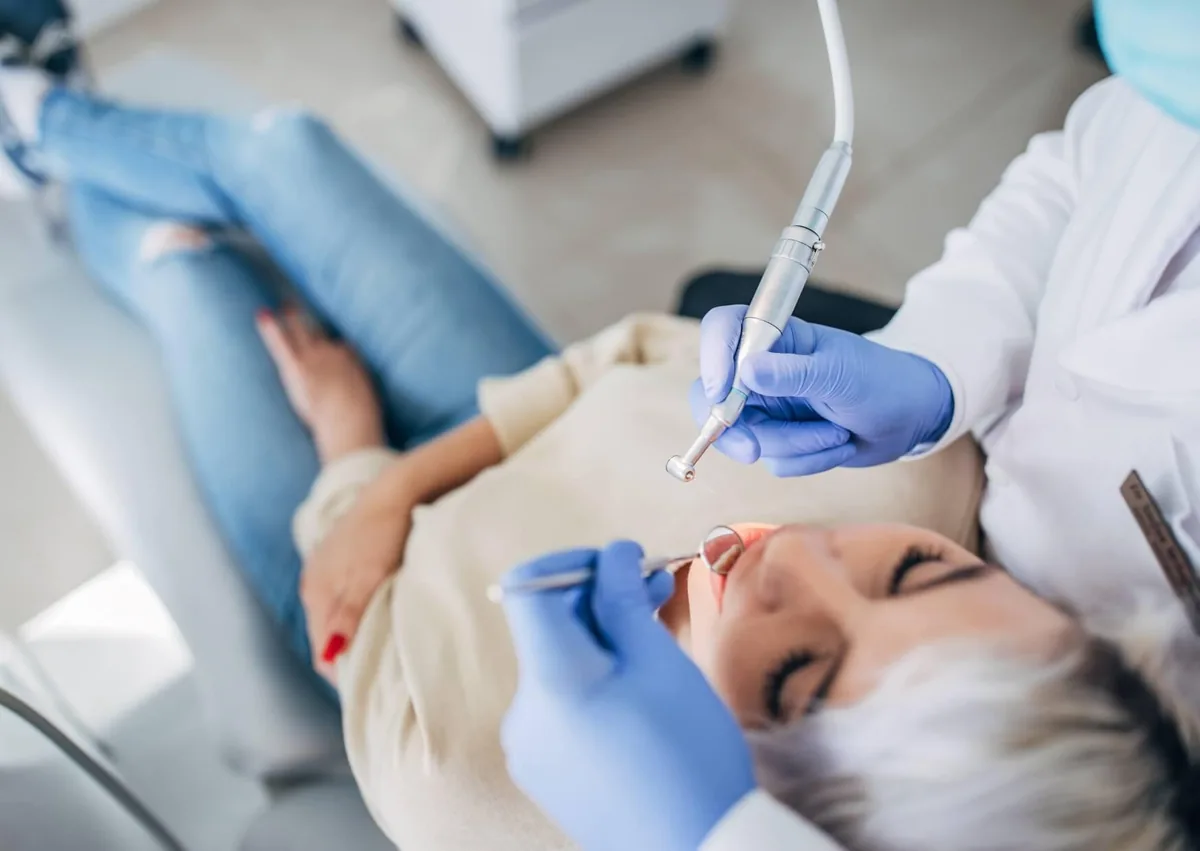
Before changing healthy teeth, a dentist should assess cavities, gum health, enamel, tooth position, and your bite. Active dental disease should be addressed first. Alternatives such as whitening, bonding, or orthodontic treatment may meet some appearance goals with different trade-offs.
Ask these questions before agreeing to treatment:
Cosmetic veneers are often not covered by dental insurance, but benefits depend on your plan and the reason for treatment. Ask the office for a written estimate and have your insurer verify any available benefits. An estimate of coverage is not a payment guarantee.
Whether you are considering veneers or already have them, a dentist can examine your teeth and explain what can be preserved, repaired, or monitored. Bring any prior treatment records you have and describe new symptoms so the visit addresses both appearance and the health of the teeth underneath.
An exam can help you understand whether veneers are right for your teeth and what long-term care may involve. For veneer treatment at Clear Lake Dental Care in Webster, TX, convenient to Clear Lake and League City, call (281) 557-8097 to schedule a visit.
Not automatically. Decay can develop in the natural tooth around or beneath a veneer if bacteria reach vulnerable tooth structure. Daily cleaning and dental exams help reduce that risk and identify problems.
If enamel was removed, the teeth generally cannot return to their original untreated state and usually need continued restorative coverage. Even with minimal-preparation veneers, a dentist must assess whether removal without replacement is appropriate.
Yes, if the pulp becomes irreversibly inflamed or infected. Root canal treatment is not a routine requirement for veneers, and pain needs an examination to determine its cause.
Not always, because early decay may cause no symptoms. Regular exams and X-rays when indicated help the dentist check areas you cannot assess at home.