
Humans have 20 baby teeth in childhood and 32 permanent teeth as adults when all four wisdom teeth develop and stay in place. Many healthy adults have 28 teeth instead because their wisdom teeth never formed or were removed.
If you're keeping track of a child's tooth development or wondering whether wisdom teeth or other changes need attention, a dental cleaning and exam can clarify what’s happening in the mouth. At Clear Lake Dental Care in Webster, TX, our team combines gentle exams with preventive care to protect teeth and catch issues early.
Children normally have 20 primary teeth, also called baby teeth. That means 10 teeth in the upper jaw and 10 in the lower jaw.
Baby teeth usually start coming in around 6 months of age. Most children have all 20 by about age 3, although some variation is still normal.
Around age 6, baby teeth begin to loosen as permanent teeth come in. This mixed stage often lasts until the early teen years.
|
Stage |
Typical Number |
Usual Timing |
|---|---|---|
|
Primary teeth begin erupting |
1 to 4 |
Around 6 to 12 months |
|
Full primary dentition |
20 |
By about age 3 |
|
Mixed primary and permanent teeth |
Varies |
About ages 6 to 12 |
|
Most permanent teeth present |
28 |
By the early teens |
During the mixed stage, the number of visible teeth can change often. A dentist can check whether teeth are erupting in the expected pattern and use X-rays when needed.
The standard adult total is 32 permanent teeth. This includes eight incisors, four canines, eight premolars, and 12 molars.
Those 12 molars include four third molars, commonly called wisdom teeth. The first 28 permanent teeth usually come in by the early teen years, while wisdom teeth often appear later in the late teens or early 20s.
|
Tooth Type |
Number |
Main Role |
|---|---|---|
|
Incisors |
8 |
Cutting food |
|
Canines |
4 |
Gripping and tearing |
|
Premolars |
8 |
Crushing and grinding |
|
Molars |
12 |
Grinding and chewing |
Not every adult develops all four wisdom teeth. Research on third molar agenesis helps explain why some healthy adults naturally have fewer than 32 teeth, even without extractions.
If wisdom teeth are impacted, painful, or likely to affect nearby teeth, a dentist may recommend wisdom teeth removal.
Having fewer than 32 teeth does not always mean there is a problem. Tooth counts can vary because of normal development, past treatment, or dental disease.
Common reasons include:
Some teeth may be present but not visible in the mouth. X-rays can help confirm whether a tooth is unerupted, impacted, missing, or extra.
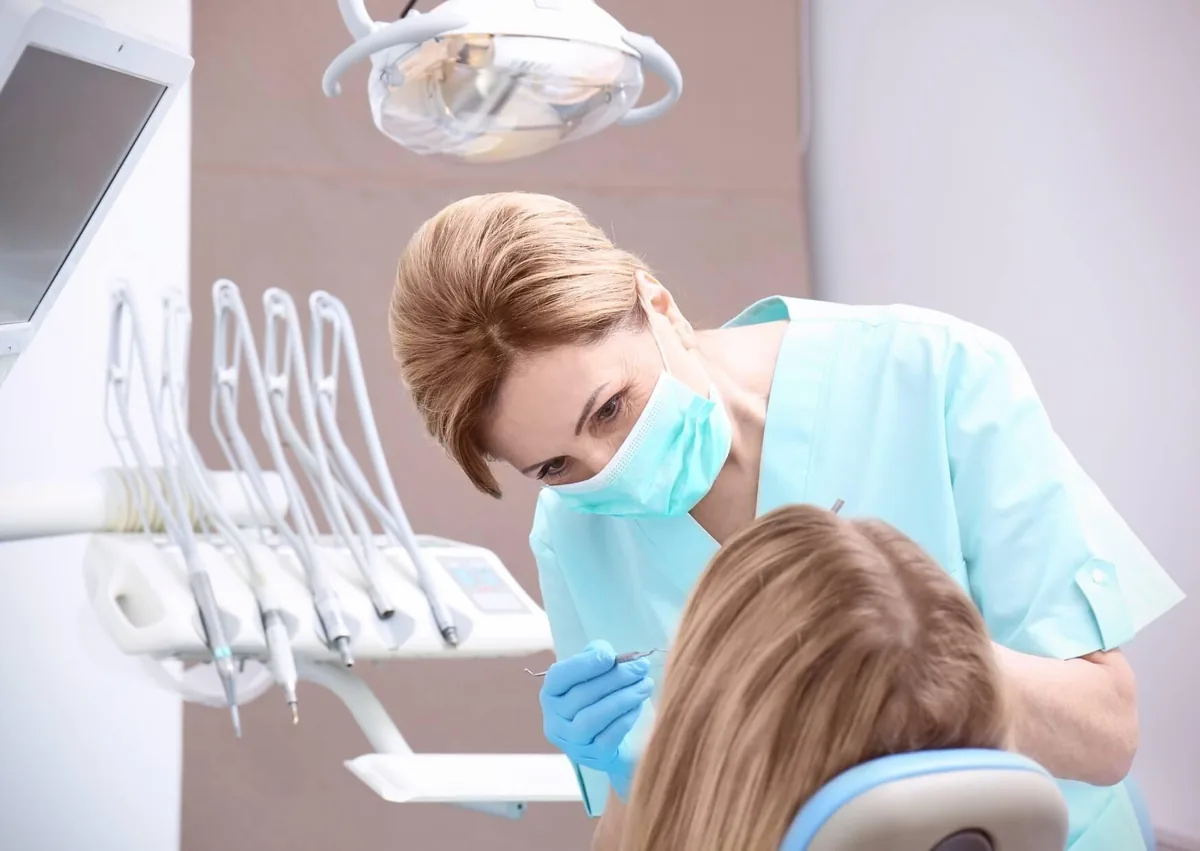
Treatment depends on the tooth's position, available space, bite, gum health, and symptoms. Some teeth only need monitoring, while others need treatment because they cause pain, crowding, infection, or damage to nearby teeth.
If a permanent tooth is missing, treatment may include orthodontic space closure, dental implants, or a bridge. Your dentist can review options through general dentistry based on your bite and long-term goals.
For more on treatment choices, see options for missing teeth.
Exams and X-rays are usually quick and comfortable. Orthodontic or restorative treatment may take several visits over weeks or months, depending on the tooth and the condition of the surrounding bone and gums.
If all four wisdom teeth are removed, an adult usually has 28 teeth. That is a very common and healthy tooth count.
Some people have 29, 30, or 31 teeth because they developed fewer than four wisdom teeth or lost another tooth at some point. The exact number matters less than whether the teeth function well and the gums stay healthy.
Brush twice a day with fluoride toothpaste and clean between teeth once a day. Regular visits for a dental cleaning and exam also help catch problems early. For additional advice on daily care, see healthy white teeth.
Children often need help brushing until they can clean every tooth well on their own, often around ages 7 or 8. Daily habits matter whether a person has 20 baby teeth, 28 adult teeth, or a full set of 32.
Call a dentist if a permanent tooth does not appear when expected, if a baby tooth stays much longer than the matching tooth on the other side, or if teeth start shifting in a concerning way. Seek prompt care for worsening pain, swelling, fever, pus, heavy bleeding, or a dental injury, and get emergency care if swelling affects breathing or swallowing.
For routine prevention or to check a missing, impacted, or painful tooth, start with a dental cleaning and exam so your dentist can evaluate X-rays and recommend needed care. Call Clear Lake Dental Care for dental cleanings and exams in Webster, TX and nearby Clear Lake or League City at (281) 557-8097 to schedule a visit.
No. Many healthy adults have 28 teeth because their wisdom teeth were removed or never developed. Others may have fewer teeth because of injury, decay, gum disease, or a developmental difference.
Yes. The standard adult total of 32 includes four wisdom teeth, one at the back of each side of the upper and lower jaws.
A full primary set has 10 teeth in each jaw. A complete permanent set has 16 teeth in each jaw when all wisdom teeth are present.
Yes. Small gaps are often normal and can make room for larger permanent teeth.
A dentist should check new, uneven, painful, or concerning spacing, especially if a tooth seems delayed or blocked.
Yes, although it is uncommon. Extra teeth may stay under the gums or erupt into the mouth, and a dentist can decide whether they should be monitored or treated.